High-polish yellow gold refers to gold jewellery or decorative gold articles that have a smooth, highly reflective surface and the characteristic warm yellow appearance associated with traditional gold alloys.
The term high-polish describes the surface finish rather than the purity of the gold.
Pure gold is naturally soft, so jewellery is generally made by combining gold with other metals to improve strength and durability. The exact alloy composition can also influence the colour, hardness, and working characteristics of the finished article.
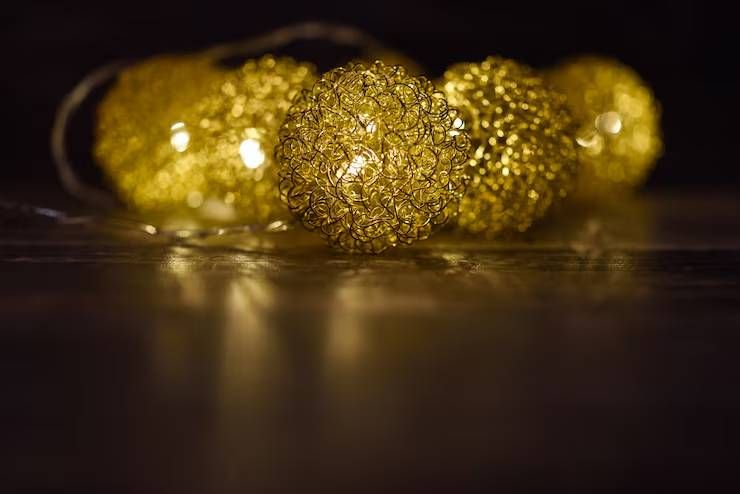
Yellow gold remains one of the most recognizable forms of gold jewellery. A high-polish finish can make its surface appear brighter because light reflects more directly from the smooth metal.
Several factors determine the final appearance of high-polish yellow gold:
- Gold purity or fineness
- Alloying metals used with gold
- Surface preparation
- Polishing technique
- Shape and design of the article
- Subsequent wear and maintenance
The distinction between gold purity and surface finish is important. A highly polished article is not automatically higher in purity. Purity must be established through its declared fineness and, where applicable, hallmarking.
Gold Purity and Fineness
Indian Standard IS 1417 specifies recognized grades of gold and gold alloys. BIS information identifies grades including 9K (375), 14K (585), 18K (750), 20K (833), 22K (916), and 23K (958), while 995 and 999 fineness levels are also specified for certain gold forms.
| Gold Grade | Fineness | Approximate Gold Content |
|---|---|---|
| 9K | 375 | 37.5% |
| 14K | 585 | 58.5% |
| 18K | 750 | 75.0% |
| 20K | 833 | 83.3% |
| 22K | 916 | 91.6% |
| 23K | 958 | 95.8% |
The higher the fineness, the greater the proportion of gold in the alloy. However, higher purity can also mean greater softness, making alloy selection important for articles exposed to frequent handling or friction.
Why the Finish Matters
A high-polish finish changes how a yellow-gold surface interacts with light. Fine surface irregularities are reduced during polishing, producing a smoother appearance.
This matters for both traditional and contemporary jewellery because the finish affects visual characteristics such as:
- Surface reflectivity
- Perceived brightness
- Visibility of fine scratches
- Contrast between polished and textured areas
- Overall appearance under different lighting
A polished surface can also make small scratches more noticeable over time. Jewellery that is frequently worn may gradually develop fine surface marks, reducing its original mirror-like appearance.
For this reason, high-polish gold jewellery is best understood as a finish that requires appropriate handling rather than as a separate purity category.
Importance of High-Polish Yellow Gold Today
Yellow gold continues to have cultural, decorative, and practical importance in India and other gold-consuming markets. High-polish finishes are particularly relevant to jewellery manufacturers, designers, consumers, appraisers, and researchers who need to distinguish appearance from material composition.
For consumers, understanding the difference between finish and purity can reduce confusion when comparing different gold articles. A polished surface does not determine whether an article is 18K, 22K, or another grade.
For manufacturers and designers, surface finishing is part of the final production process. The desired appearance must be balanced with the characteristics of the underlying alloy.
For jewellery professionals, accurate identification of fineness and hallmark information is more significant than visual appearance alone.
High-Polish Yellow Gold Compared With Other Finishes
| Finish | Surface Appearance | Typical Characteristic |
|---|---|---|
| High polish | Bright and reflective | Strong light reflection |
| Satin | Soft and low-reflective | Subdued appearance |
| Matte | Diffused and non-reflective | Minimal shine |
| Brushed | Fine directional texture | Visible linear pattern |
| Hammered | Irregular textured surface | Decorative light variation |
These finishes can sometimes be combined. For example, an article may use a high-polish edge with a satin or textured central section.
Recent Updates in Indian Gold Hallmarking
Gold jewellery regulation in India has continued to develop during 2025 and 2026. The Bureau of Indian Standards maintains the mandatory hallmarking framework and lists amendments dated 31 July 2025, 2 March 2026, 28 April 2026, and 3 August 2026 on its mandatory hallmarking page.
A significant recent development occurred in March 2026, when BIS published information on the sixth phase of mandatory hallmarking coverage. Seven additional districts were included under the Hallmarking of Gold Jewellery and Gold Artefacts Amendment Order, 2026. The listed districts included Rupnagar in Punjab, Banda in Uttar Pradesh, Beed in Maharashtra, Gomati in Tripura, Katihar in Bihar, Beawar in Rajasthan, and Neemuch in Madhya Pradesh.
BIS also recorded a further amendment to the hallmarking order in May 2026, demonstrating that the regulatory framework has continued to evolve during the year.
Another important development concerns digital verification. BIS states that its BIS CARE mobile application includes a “Verify HUID” function that allows users to check the authenticity information associated with hallmarked gold jewellery bearing a HUID.
These changes are relevant to high-polish yellow gold because the surface finish does not replace the need for appropriate purity identification and hallmark information.
Laws, Standards and Policies in India
India's gold jewellery framework is strongly connected to BIS standards. Hallmarking is intended to provide an official indication of the precious-metal content of an article and help protect the public against inaccurate purity claims.
IS 1417 covers gold and gold-alloy jewellery and artefacts, including fineness and marking requirements. BIS documentation identifies the relationship between common carat grades and fineness, such as 22K/916 and 18K/750.
Mandatory hallmarking applies according to the districts and categories covered by the relevant government orders. BIS also identifies specific exemptions, including certain articles below two grams, specified export articles, industrial or scientific articles, and particular traditional jewellery categories.
The hallmarking framework also includes the Hallmark Unique Identification (HUID) system. BIS provides verification facilities through its official digital resources.
Tax treatment is separate from hallmarking. According to the Central Board of Indirect Taxes and Customs (CBIC), GST on jewellery transactions is charged at 3% of the total transaction value, whether making charges are separately shown or not. This tax rule should not be confused with gold purity or the polishing process.
Tools and Resources for High-Polish Yellow Gold
Several official resources can help people understand gold purity, standards, and verification.
- BIS Hallmarking Portal: Provides information about hallmarking rules, standards, jeweller registration, and recognised facilities.
- BIS CARE App: Includes the HUID verification function for eligible hallmarked gold articles.
- BIS Hallmarking FAQs: Explains hallmarking, testing, purity verification, and related procedures.
- BIS-recognised Assaying and Hallmarking Centres: These facilities can test gold jewellery and provide an assay report.
- IS 1417 documentation: Useful for understanding gold fineness, marking, and recognized grades.
- Jewellery care records: A simple written record of the article's fineness, hallmark information, weight, and maintenance history can help with long-term documentation.
Caring for a High-Polish Gold Surface
The reflective surface of polished gold can gradually develop fine marks through normal use. Basic care can help preserve its appearance.
Avoid placing polished jewellery directly against harder objects. Separate pieces during storage to reduce contact between metal surfaces.
It is also useful to keep high-polish articles away from abrasive materials. Household chemicals and harsh cleaning methods may affect certain jewellery components, particularly when gemstones, coatings, soldered sections, or other materials are present.
For routine care:
- Store individual pieces separately where practical.
- Use a soft, non-abrasive cloth for light cleaning.
- Avoid rough polishing materials.
- Keep jewellery away from unnecessary friction.
- Have heavily worn surfaces assessed by a qualified jewellery professional before refinishing.
Repeated aggressive polishing can remove a small amount of surface metal, so refinishing should not be treated as a routine substitute for careful handling.
Frequently Asked Questions
What does high-polish yellow gold mean?
High-polish yellow gold describes yellow-gold jewellery or an article with a smooth, highly reflective surface. “High-polish” refers to the finish, not the gold purity.
Is high-polish yellow gold the same as 22K gold?
No. High polish describes the surface treatment, while 22K describes gold fineness. A polished yellow-gold article can be made in different recognized purity grades.
What does 916 mean on yellow gold?
The number 916 represents a fineness of 916 parts gold per 1,000, corresponding to 22K gold under the relevant Indian standard.
How can HUID information be checked?
BIS states that the BIS CARE mobile application provides a “Verify HUID” facility for checking hallmarked gold jewellery bearing a HUID.
Can polished gold lose its shine?
Yes. Regular contact with surfaces can create fine scratches and gradually reduce the mirror-like appearance. Appropriate storage, gentle cleaning, and professional assessment when necessary can help maintain the finish.
Conclusion
High-polish yellow gold combines the traditional colour of yellow-gold alloys with a smooth, reflective surface finish. Its appearance is influenced by alloy composition, purity, manufacturing techniques, and polishing.
The most important distinction is between finish and fineness. A bright, reflective surface does not indicate a particular purity grade. In India, gold purity is addressed through recognized standards and hallmarking requirements, while HUID technology provides an additional method of verification for applicable hallmarked articles.
Recent BIS developments in 2025 and 2026 show that India's hallmarking framework continues to expand and change. Understanding these standards, checking relevant hallmark information, and using official BIS resources can provide a clearer basis for evaluating high-polish yellow gold and its characteristics