Living room floor seating furniture refers to seating designed to be used at or close to floor level.
Unlike conventional sofas and chairs, these pieces generally have a low height and may be placed directly on the floor or on a thin base.
Floor seating has existed in many cultures for centuries. Cushions, mattresses, floor chairs, bolsters, and low platforms have traditionally been used for sitting, relaxing, socializing, and informal gatherings. Modern furniture design has adapted these concepts for contemporary homes.
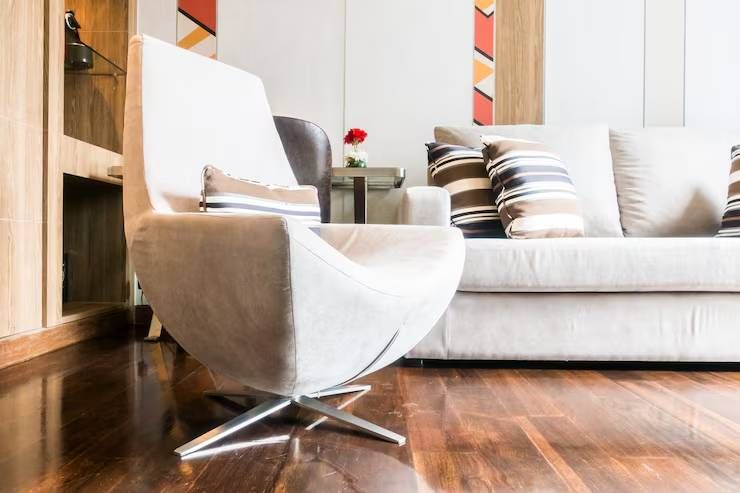
Common examples include:
- Floor cushions
- Poufs and ottomans
- Bean bags
- Low lounge chairs
- Floor sofas
- Japanese-style floor chairs
- Foldable floor mattresses
- Low modular seating
- Cushioned platforms
These options can be particularly useful in rooms where flexibility, informal comfort, or efficient use of space is important.
Why Floor Seating Matters in Modern Living Rooms
Living rooms serve different purposes, including conversation, entertainment, reading, relaxation, and social gatherings. Traditional sofas are not always the only practical arrangement.
Floor seating can provide an alternative that changes how available space is used. Because many pieces are lightweight or movable, the room can be rearranged more easily.
Several factors contribute to its growing relevance:
- Space efficiency: Low-profile pieces can make a room appear less visually crowded.
- Flexible layouts: Cushions and poufs can be moved when additional floor space is needed.
- Informal atmosphere: Floor-level seating creates a relaxed setting for conversations and casual activities.
- Compact homes: Smaller apartments can benefit from furniture that can be repositioned or stored.
- Additional seating: Floor cushions and poufs can supplement a conventional sofa when more seating is required.
- Design variety: Modern floor seating is available in different shapes, fabrics, colors, and construction styles.
However, floor seating is not suitable for everyone. People with limited mobility or difficulty getting up from a low position may find conventional-height seating more comfortable.
Popular Types of Floor Seating
Different floor seating styles serve different purposes. Understanding their characteristics can make it easier to create a suitable living room arrangement.
| Type | Main characteristics | Suitable use |
|---|---|---|
| Floor cushions | Soft, lightweight, portable | Casual sitting and flexible layouts |
| Poufs | Compact padded seating | Extra seating and footrests |
| Bean bags | Flexible body-supporting shape | Relaxed lounging |
| Floor chairs | Low back support | Reading and extended sitting |
| Floor sofas | Larger cushioned seating | Main living room arrangement |
| Low platforms | Raised seating surface | Structured floor-level layouts |
| Bolsters | Cylindrical or rectangular cushions | Back or arm support |
| Foldable mattresses | Flexible padded surface | Temporary seating and lounging |
Floor cushions are among the simplest options because they can be moved, stacked, or stored. Floor chairs provide additional back support, while low sofas create a more permanent arrangement.
Materials and Construction
The materials used in floor seating affect comfort, durability, maintenance, and appearance.
Cotton and woven fabrics are commonly used for cushions because they are breathable and available in many designs. Linen can provide a lightweight natural appearance, although it may require careful maintenance.
Polyester fabrics are often selected for their resistance to everyday wear and availability in different textures. Performance fabrics may be designed to handle frequent use and cleaning.
The internal filling also influences the sitting experience. Foam provides structured support, while fiber filling can create a softer feel. Some cushions use combinations of foam and fiber to balance support and softness.
For wooden or platform-based furniture, materials may include solid wood, engineered wood, or metal frames. The construction should be appropriate for the expected weight and frequency of use.
Choosing Floor Seating for a Living Room
Selecting floor seating involves more than considering appearance. Room dimensions, user comfort, maintenance requirements, and the intended purpose should all be considered.
Measure the available space. Check the floor area before selecting large cushions, low sofas, or multiple pieces. Leave enough space for movement between seating, tables, doors, and other furniture.
Consider sitting height. Extremely low seating may be comfortable for some people but difficult for others. If several people will use the room, a moderate low-profile design may be more practical.
Think about back support. Cushions are useful for casual sitting, but floor chairs and low sofas can provide better support for longer periods.
Match the material to daily use. Frequently used seating may require durable, easy-to-maintain fabric. Removable covers can make routine cleaning easier.
Consider storage. Foldable seating and stackable cushions can be useful when the living room needs to serve multiple purposes.
Check stability. Floor chairs, platforms, and other structured furniture should remain stable during normal use and should not easily slide across smooth flooring.
Floor Seating and Interior Design
Floor seating can influence the visual balance of a living room. Low furniture generally creates a lower sightline and can make open areas feel less visually divided.
A simple arrangement might combine a low sofa with several cushions and a small central table. Another layout could use individual floor chairs around a rug to create a conversation area.
Common design approaches include:
- Minimalist: Neutral cushions, simple shapes, and limited furniture.
- Bohemian: Layered rugs, patterned cushions, and mixed textures.
- Japanese-inspired: Low platforms, natural materials, and uncluttered layouts.
- Contemporary: Low sofas, geometric poufs, and modern fabrics.
- Traditional-inspired: Floor cushions, bolsters, rugs, and decorative textiles.
A rug can also define the seating zone and create a visual boundary without using walls or large furniture.
Comfort, Safety, and Maintenance
Comfort depends on more than softness. Proper support, posture, seat depth, and the ability to change position all influence the experience.
For longer sitting periods, seating with some form of back support may be preferable to a simple flat cushion. Additional bolsters can support the lower back or provide arm support.
Safety considerations include keeping pathways clear and selecting stable furniture. Loose cushions should not create obstacles around frequently used walking areas.
Maintenance requirements depend on the material. Removable covers can generally make cleaning easier. Fabrics should be cleaned according to their manufacturer's instructions, particularly when they are exposed to food, pets, or frequent use.
Floors should also be kept clean because floor-level seating has closer contact with dust and other particles than elevated furniture.
Recent Trends in Floor Seating
Modern interior design has increasingly emphasized adaptable and multifunctional furniture. Floor seating fits this approach because many pieces can serve several purposes.
Current design trends include:
- Modular low-profile sofas that can be rearranged
- Oversized floor cushions for informal lounging
- Multifunctional poufs used as seating or footrests
- Natural fabrics and earthy interior palettes
- Foldable seating for compact homes
- Low furniture combined with large area rugs
- Minimalist seating inspired by Japanese interiors
The broader trend is toward furniture that allows rooms to change according to different activities rather than maintaining one fixed arrangement.
Frequently Asked Questions
What is floor seating furniture?
Floor seating furniture consists of cushions, chairs, sofas, poufs, platforms, or similar pieces designed for sitting at or close to floor level.
Is floor seating suitable for small living rooms?
It can be useful in smaller rooms because many floor-seating pieces are lightweight, compact, or easy to move. However, the overall arrangement should still leave sufficient space for walking and everyday activities.
Are floor cushions comfortable for long periods?
Comfort varies by cushion thickness, filling, firmness, and personal preference. For extended sitting, additional back support may provide greater comfort than a flat cushion alone.
What materials are commonly used for floor seating?
Common materials include cotton, linen, polyester, foam, fiber filling, wood, and metal. The appropriate choice depends on intended use, maintenance requirements, and interior design.
Can floor seating replace a traditional sofa?
In some households, a low sofa or combination of cushions and floor chairs can function as the primary seating arrangement. However, conventional-height seating may be more suitable for people who have difficulty sitting close to the floor or standing from a low position.
Conclusion
Living room floor seating furniture provides an alternative to conventional sofas and chairs by combining low profiles, flexible arrangements, and informal comfort. Options range from simple cushions and poufs to structured floor chairs, low sofas, and platform seating.
The most appropriate choice depends on room size, intended use, comfort preferences, maintenance needs, and the physical needs of household members. When planned carefully, floor seating can create a flexible living environment while contributing to a distinctive interior style.