Vegan nutrition tips help people plan balanced meals using plant-based foods while meeting their daily nutritional needs.
A vegan diet excludes meat, fish, dairy products, eggs, and other animal-derived ingredients.Understanding plant-based protein, essential vitamins, minerals, healthy fats, and meal planning can help individuals make informed food choices. With careful preparation, vegan nutrition can support overall health, dietary variety, and long-term healthy eating habits.
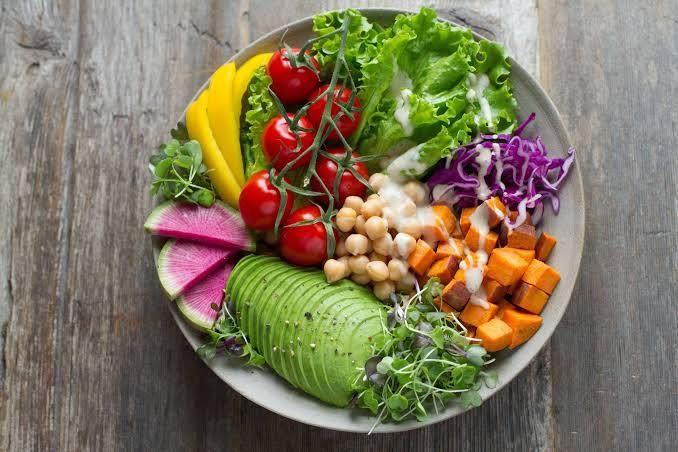
Understanding Vegan Nutrition
Vegan nutrition focuses on obtaining essential nutrients from plant-based foods. Common choices include vegetables, fruits, whole grains, beans, lentils, peas, nuts, seeds, and fortified foods. Some people follow a vegan diet for ethical or environmental reasons, while others prefer it because of their personal food choices.
A balanced vegan diet requires more than removing animal products from meals. It involves selecting a variety of foods that provide sufficient protein, carbohydrates, healthy fats, vitamins, and minerals. Nutrient needs vary according to age, activity level, health status, and individual circumstances.
Why Vegan Nutrition Matters
Plant-based eating has become an important part of discussions about dietary diversity, food sustainability, and preventive health. A well-planned vegan diet can provide dietary fibre and a range of beneficial nutrients. However, poorly planned meals may lack important nutrients, particularly vitamin B12, iron, calcium, iodine, vitamin D, and omega-3 fatty acids.
Practical vegan nutrition tips can help people:
- Plan meals with a variety of plant-based ingredients.
- Identify reliable sources of essential nutrients.
- Maintain adequate protein intake throughout the day.
- Understand food labels and fortified product information.
- Reduce dependence on highly processed foods that may be low in essential nutrients.
Essential Nutrients in a Vegan Diet
Plant-based protein
Protein supports muscle maintenance, tissue repair, and normal body functions. Useful sources include lentils, chickpeas, kidney beans, tofu, tempeh, peas, peanuts, and soy milk. Eating a variety of protein-rich foods across the day helps provide essential amino acids.
Vitamin B12
Vitamin B12 supports normal nerve function and red blood cell formation. Natural, reliable sources are limited in a vegan diet, making appropriately fortified foods or a suitable supplement important. The amount required depends on the product and individual circumstances.
Iron
Iron contributes to oxygen transport in the body. Plant sources include lentils, beans, tofu, pumpkin seeds, and fortified cereals. Vitamin C-rich foods, such as guava, oranges, tomatoes, and bell peppers, can improve the absorption of non-haem iron when eaten alongside iron-containing meals.
Calcium and vitamin D
Calcium supports bones and teeth, while vitamin D helps the body absorb calcium. Fortified plant milks, calcium-set tofu, sesame seeds, and selected green vegetables can contribute calcium. Vitamin D sources may include fortified foods and supplements when appropriate.
Omega-3 fatty acids
Chia seeds, flaxseeds, walnuts, and hemp seeds provide plant-based omega-3 fatty acids. Algal oil is another option for obtaining DHA and, depending on the formulation, EPA.
Iodine and zinc
Iodine is important for thyroid function, while zinc contributes to immunity and normal growth. Suitable sources include appropriately selected fortified foods, legumes, nuts, seeds, and whole grains. Iodine content in seaweed varies substantially, so seaweed should not be treated as a predictable daily source.
Simple Vegan Meal Planning Tips
A practical meal plan combines several food groups rather than relying on one ingredient. The following examples illustrate how plant-based foods can be incorporated into everyday meals.
| Meal | Example foods | Nutritional contribution |
|---|---|---|
| Breakfast | Oats, fortified soy milk, banana, chia seeds | Fibre, protein, calcium, omega-3 ALA |
| Lunch | Lentil dal, brown rice, vegetables, lemon | Protein, iron, carbohydrates, vitamin C |
| Snack | Roasted chickpeas and fruit | Protein, fibre, vitamins |
| Dinner | Tofu, whole-grain roti, mixed vegetables | Protein, iron, calcium when tofu is calcium-set |
| Optional addition | Walnuts or ground flaxseeds | Unsaturated fats and omega-3 ALA |
Portions should be adjusted to individual energy needs, appetite, age, and activity level. These examples are general illustrations rather than a personalized nutrition prescription.
Recent Developments in Vegan Nutrition
Nutrition guidance continues to emphasize food quality, dietary variety, and nutrient adequacy. The following developments provide useful context for people planning plant-based meals.
- January 2025 — Dietary guidance discussions: The US Dietary Guidelines Advisory Committee released its scientific report in December 2024, contributing evidence to the development of the 2025–2030 Dietary Guidelines for Americans. The report examined dietary patterns and health outcomes; it should not be confused with the final federal guidelines.
- 2025–2026 — Greater attention to fortified foods: Fortified plant-based drinks and other foods remain relevant for nutrients such as calcium, vitamin D, and vitamin B12. Nutrient levels differ among brands and products, so checking labels remains important.
- Ongoing nutrition research: Researchers continue to study the relationships between plant-based dietary patterns, cardiovascular health, metabolic health, and nutrient intake. Outcomes depend on the overall diet, not simply whether a diet excludes animal products.
For reliable updates, consult national dietary guidance and established nutrition organizations rather than relying on social media claims or unverified supplement recommendations.
Vegan Nutrition Guidelines and Policies in India
India's food and nutrition framework includes regulations and guidance relevant to vegan foods, food labelling, and nutritional information.
The Food Safety and Standards Authority of India (FSSAI) introduced the Food Safety and Standards (Vegan Foods) Regulations, 2022. These regulations establish requirements for foods represented as vegan, including provisions concerning ingredients, production, handling, and labelling.
Frequently Asked Questions
Can a vegan diet provide enough protein?
Yes. Lentils, beans, chickpeas, tofu, tempeh, soy products, nuts, and seeds provide protein. Eating a variety of these foods throughout the day helps meet protein needs.
Which nutrients need special attention on a vegan diet?
Vitamin B12 requires particular attention. Iron, calcium, vitamin D, iodine, zinc, and omega-3 fatty acids also deserve consideration. Individual requirements vary, and fortified foods or supplements may be appropriate.
Is a vegan diet suitable for children and pregnant individuals?
A carefully planned vegan diet can be followed in these life stages, but nutrient requirements are especially important during growth and pregnancy. Professional guidance from a qualified healthcare provider or dietitian can help ensure adequate intake.
Do vegan foods automatically make a diet healthy?
No. Vegan products can contain high amounts of sodium, added sugar, or saturated fat while providing limited fibre or essential nutrients. Whole grains, vegetables, fruits, legumes, nuts, and suitable fortified foods should form the foundation of a balanced pattern.
Should everyone following a vegan diet take supplements?
Not every supplement is necessary for every person, but a reliable source of vitamin B12 is essential for people following a fully vegan diet. Other supplements depend on food intake, individual needs, medical circumstances, and professional advice.
Conclusion
Vegan nutrition tips help people build balanced eating patterns while understanding the nutrients that require particular attention. A varied diet containing legumes, whole grains, vegetables, fruits, nuts, seeds, and appropriately fortified foods can provide many essential nutrients.
Vitamin B12 deserves special attention, while iron, calcium, vitamin D, iodine, zinc, and omega-3 fatty acids should also be considered. Food labels, reliable nutrition resources, and appropriate professional guidance can help people make informed decisions.