Volcano hiking destinations attract travellers who want to explore dramatic landscapes shaped by volcanic activity.
Volcano hiking destinations attract travellers who want to explore dramatic landscapes shaped by volcanic activity. These locations may include volcanic craters, lava fields, mountain ridges, steaming vents, mineral-rich soil, and wide views of surrounding valleys. Volcano hiking combines outdoor recreation with opportunities to learn about geology, ecosystems, and the forces that shape the Earth's surface.
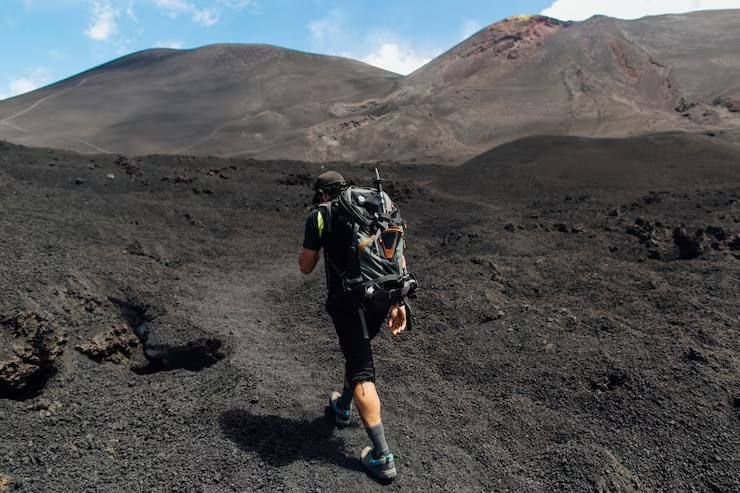
Some volcanic mountains have well-maintained walking trails, while others require advanced mountaineering skills. Certain volcanoes are dormant or extinct, whereas others remain active and may experience earthquakes, gas emissions, ashfall, or eruptions. Choosing a suitable destination therefore requires more than considering scenery and distance. Visitors must understand the terrain, current volcanic conditions, weather, access rules, and physical demands of the route.
Understanding Volcano Hiking Destinations
Volcano hiking involves walking along designated paths or approved routes across volcanic terrain. Depending on the destination, a hike may pass through forests, solidified lava, crater rims, volcanic plateaus, or high-altitude mountain environments.
Volcanoes develop when molten rock, gases, and other materials reach the Earth's surface through openings in the crust. Over time, eruptions and erosion create different landforms, including steep volcanic cones, broad shield volcanoes, calderas, and lava fields.
Popular international destinations include:
- Mount Etna, Italy: Known for extensive lava landscapes, volcanic craters, and routes on Europe's highest active volcano.
- Mount Fuji, Japan: A prominent volcanic mountain with established seasonal climbing routes and significant cultural importance.
- Hawaiʻi Volcanoes National Park, United States: Offers trails through volcanic landscapes, lava fields, forests, and crater surroundings.
- Mount Bromo, Indonesia: Known for a volcanic caldera landscape and views across the surrounding mountain region.
- Acatenango, Guatemala: A high-altitude hiking destination known for views toward the active Fuego volcano, subject to weather and volcanic hazards.
- Tongariro Alpine Crossing, New Zealand: A demanding alpine route through volcanic terrain, crater lakes, and distinctive mineral-coloured landscapes.
These destinations differ in elevation, difficulty, access arrangements, and volcanic activity. A trail suitable for an experienced mountain hiker may be unsuitable for a beginner, particularly when the route includes loose volcanic rock, steep slopes, or rapidly changing weather.
Why Volcano Hiking Matters
Volcano hiking provides recreational, educational, and environmental value. Visitors can observe how volcanic processes shape landscapes and influence soil, vegetation, water systems, and local communities.
Geological and Educational Importance
Volcanic landscapes offer opportunities to understand natural processes that are difficult to observe in ordinary environments. Hikers may encounter hardened lava, volcanic ash deposits, crater formations, and exposed layers of rock.
These features help explain:
- How eruptions create new landforms.
- Why some volcanic soils support distinctive vegetation.
- How erosion changes volcanic mountains over time.
- How scientists monitor earthquakes, ground movement, and volcanic gases.
- Why communities near volcanoes prepare for natural hazards.
Educational trails, interpretation boards, and visitor centres can make these subjects easier to understand without requiring a technical background.
Physical Activity and Outdoor Exploration
Volcano hiking may involve sustained uphill walking, uneven terrain, changes in elevation, and exposure to wind or cold temperatures. The physical demands vary considerably between destinations.
Potential benefits include improved endurance, balance, and coordination, along with opportunities to develop navigation and outdoor planning skills. However, high altitude, heat, poor air quality, and steep descents can increase physical strain.
Travellers should select routes according to their fitness, experience, and ability to manage the expected conditions.
Environmental and Community Value
Volcanic areas can support unique habitats and attract visitors to nearby communities. Responsible hiking can contribute to awareness of geological heritage and the importance of protecting natural areas.
Visitors can reduce their impact by remaining on permitted trails, carrying out their rubbish, avoiding damage to geological features, and following restrictions designed to protect wildlife and cultural sites.
Choosing a Volcano Hiking Destination
Selecting a route requires attention to several factors. The presence of an established trail does not necessarily mean that a volcano is safe to approach under current conditions.
| Destination | Main landscape features | General hiking considerations |
|---|---|---|
| Mount Etna, Italy | Lava fields, craters, volcanic slopes | Activity restrictions, altitude, changing weather |
| Mount Fuji, Japan | High volcanic summit, mountain trails | Official climbing season, altitude, cold conditions |
| Hawaiʻi Volcanoes National Park, USA | Lava formations, craters, forest trails | Closures, unstable terrain, volcanic gases |
| Mount Bromo, Indonesia | Caldera, volcanic sand, mountain viewpoints | Ash, visibility, restricted zones |
| Acatenango, Guatemala | High mountain ridges, volcanic views | Steep ascent, cold nights, nearby volcanic activity |
| Tongariro Alpine Crossing, New Zealand | Craters, alpine terrain, mineral-coloured lakes | Weather changes, exposure, volcanic alerts |
The table describes general characteristics rather than confirming current access or safety. Conditions and route availability can change, so official local information should always take priority.
Difficulty, Altitude, and Weather
Before choosing a destination, examine the total walking distance, elevation gain, expected duration, trail surface, and availability of emergency assistance. A short route can still be difficult if it climbs steeply or crosses exposed volcanic rock.
Altitude is another important factor. At higher elevations, reduced oxygen availability can cause headaches, nausea, dizziness, and unusual fatigue. Travellers should allow time to acclimatize when necessary and turn back if symptoms become concerning.
Weather may change rapidly on exposed volcanic mountains. Wind, rain, snow, fog, and low temperatures can make navigation difficult, even when conditions were comfortable at the trailhead.
Recent Developments in Volcano Hiking
Volcano hiking management increasingly depends on real-time monitoring, temporary access restrictions, and public safety information. These measures are important because volcanic conditions can change independently of ordinary hiking weather.
Park Access and Environmental Conditions
On 24 August 2026, an update concerning Hawaiʻi Volcanoes National Park reported that some areas around the Kīlauea summit had reopened following storms, while other areas remained closed because of hazards. The update illustrates why visitors should verify individual trail and road status rather than assume that an entire park is open.
Volcanic Monitoring and Alerts
Volcano observatories monitor indicators such as volcanic earthquakes, ground deformation, gas emissions, and visible activity. Their assessments help authorities issue warnings and manage access to potentially hazardous areas.
The United States Geological Survey provides current volcano updates and alert information through its Travellers visiting Indonesia, Japan, Guatemala, or other volcanic regions should consult the relevant national monitoring agency as well.
These resources do not guarantee that a route is safe. Hiking decisions should also consider official closures, local instructions, weather forecasts, and the limitations of monitoring systems.
Technology in Hiking Preparation
Digital topographic maps, GPS devices, weather applications, and emergency communication equipment can support trip planning. Offline maps are particularly useful where mobile networks are unreliable.
However, navigation tools cannot predict every eruption, detect every gas hazard, or replace local expertise. Technology should supplement, not replace, official safety guidance and sound decisions.
Laws and Policies for Volcano Hiking
Volcano hiking is affected by national park regulations, environmental protection laws, land-access rules, and emergency management procedures. Requirements differ by country and may change when volcanic activity or weather creates additional hazards.
Rules in India
India has several volcanic and volcanic-origin landscapes, including Barren Island in the Andaman Sea. Barren Island is an active volcano, and access is restricted. It should not be treated as an ordinary hiking destination; visitors must check current permissions and restrictions with the relevant authorities.
India's Ministry of Tourism announced on 24 July 2025 that Model Adventure Safety Guidelines had been developed with the Adventure Tour Operators Association of India and circulated to states and union territories. In a further announcement on 16 March 2026, the ministry reiterated the role of state and territorial administrations in adopting or updating safety procedures and monitoring adventure activities.
For any volcanic destination in India, travellers should:
- Confirm whether public access is permitted.
- Check requirements issued by forest, wildlife, coastal, or other land-management authorities.
- Follow restrictions on boats, protected areas, and environmentally sensitive locations.
- Verify the qualifications and applicable registrations of any organized expedition operator.
- Follow official warnings and emergency instructions.
Rules in Other Countries
National parks and volcanic regions may establish route closures, restricted zones, permits, seasonal climbing periods, and limits on off-trail movement.
For example, Mount Fuji operates under an official climbing season and route-management arrangements. Hawaiʻi Volcanoes National Park publishes trail closures and other restrictions, while New Zealand's Department of Conservation provides safety information for Tongariro Alpine Crossing.
Before departure, consult the relevant official websites.
Entering a closed volcanic area can expose hikers to serious hazards and may violate local regulations. A previously permitted route should never be assumed to remain open.
Tools and Resources for Volcano Hiking
Preparation involves navigation, weather assessment, volcanic monitoring, and appropriate outdoor equipment. The tools required depend on the destination and the length of the hike.
| Tool or resource | Purpose |
|---|---|
| Topographic maps | Identify elevation changes, terrain, and route options |
| GPS or offline navigation app | Support navigation where mobile reception is limited |
| Official weather forecasts | Check wind, rain, snow, temperature, and visibility |
| Volcano monitoring websites | Review current alerts and reported activity |
| Hiking poles | Assist balance on suitable uneven terrain |
| Sturdy hiking footwear | Improve grip and support on rocky paths |
| Layered clothing and rain protection | Help manage temperature and changing weather |
| Water, food, and first-aid supplies | Support basic needs during the hike |
| Headlamp and emergency communication device | Help with unexpected delays and emergencies |
Frequently Asked Questions
Which volcano hiking destinations are popular internationally?
Mount Etna in Italy, Mount Fuji in Japan, Hawaiʻi Volcanoes National Park in the United States, Mount Bromo in Indonesia, Acatenango in Guatemala, and Tongariro in New Zealand are well-known examples. Their difficulty, access rules, and current conditions differ.
Can beginners hike a volcano?
Yes. Some destinations have short, established trails suitable for people with limited hiking experience. Beginners should start with routes that match their fitness and avoid technical or high-altitude climbs without appropriate preparation.
Is it safe to hike an active volcano?
An active volcano may have permitted hiking routes, but safety depends on current activity, location, weather, and official restrictions. An active classification does not automatically mean an eruption is imminent, but it does require careful attention to official warnings.
What should I carry for a volcano hike?
Typical essentials include sturdy footwear, water, food, weather-appropriate clothing, a map or GPS device, a headlamp, and a first-aid kit. Additional equipment may be necessary for cold, high-altitude, or remote routes.
When is the best time to visit a volcano hiking destination?
The suitable period depends on the destination's official hiking season, climate, elevation, and volcanic activity. Dry weather does not necessarily mean that volcanic hazards are absent. Always check local guidance before travelling.
Conclusion
Volcano hiking destinations provide opportunities to explore distinctive landscapes, learn about geological processes, and experience outdoor environments. Choosing an appropriate route requires careful consideration of hiking difficulty, altitude, weather, volcanic activity, and local regulations. Official monitoring agencies and park authorities should guide decisions about access and safety. With suitable preparation, responsible behaviour, and respect for closures, visitors can explore volcanic landscapes while reducing avoidable risks.