Hydration is the process of maintaining an appropriate balance of water in the body. Water is essential for normal body functions, including temperature regulation, digestion, circulation, nutrient transport, and the removal of waste.
Because the human body continually loses water through urine, sweat, breathing, and bowel movements, fluids must be replenished regularly.
Water makes up a substantial proportion of the human body, although the exact amount varies with age, body composition, and other individual factors. It supports cells, tissues, organs, and metabolic processes. Even mild dehydration can affect physical comfort and concentration, while more serious dehydration can become a medical concern.
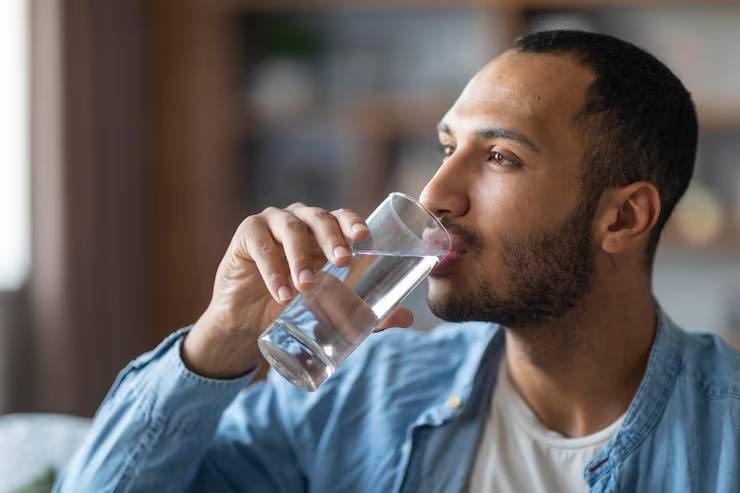
Daily water requirements differ from person to person. Factors such as age, body size, physical activity, climate, diet, pregnancy, and health conditions influence how much fluid someone needs. A person exercising outdoors in hot weather may require considerably more fluid than someone resting in a cool environment.
Hydration does not depend only on drinking plain water. Other beverages and foods containing water, including fruits, vegetables, soups, and milk, contribute to total fluid intake. However, plain water is generally a practical everyday choice because it provides hydration without added sugar or calories.
Understanding hydration involves more than following a fixed daily target. It also means recognizing thirst, considering environmental conditions, monitoring fluid losses, and avoiding both inadequate intake and excessive water consumption.
Importance
Maintaining suitable hydration supports several essential body functions. Its importance becomes especially noticeable during physical activity, hot weather, illness, and other situations in which the body loses additional fluids.
1. Supports Body Temperature Regulation
The body uses sweating to release heat. As sweat evaporates from the skin, it helps cool the body and maintain a relatively stable internal temperature.
During hot weather or strenuous exercise, fluid losses can increase significantly. Replacing these fluids helps the body continue regulating temperature effectively.
People working outdoors, exercising in humid conditions, or spending extended periods in the sun should pay particular attention to hydration. Rest breaks, shade, suitable clothing, and reduced physical exertion during extreme heat are also important.
2. Helps Maintain Physical Performance
Water supports blood circulation and the delivery of oxygen and nutrients to working muscles. When fluid losses become substantial, physical activity may feel more difficult, and endurance can decline.
Adequate hydration is particularly relevant for athletes, people who exercise regularly, and individuals performing physically demanding tasks. Drinking before activity, taking fluids during prolonged exercise, and replenishing losses afterward can help maintain normal performance.
The amount required depends on exercise intensity, duration, temperature, and individual sweat rates. Drinking excessive quantities is not a suitable substitute for a balanced hydration plan.
3. Supports Brain Function and Concentration
Water balance contributes to normal brain function. Dehydration may be associated with headaches, fatigue, irritability, and difficulty concentrating, particularly when fluid loss is significant.
Students, office workers, drivers, and people performing tasks requiring sustained attention can benefit from maintaining regular fluid intake throughout the day.
However, not every headache or concentration problem is caused by dehydration. Persistent or severe symptoms may require assessment by a qualified healthcare professional.
4. Aids Digestion and Bowel Regularity
Water supports digestion and helps the body process food. Adequate fluid intake also contributes to softer stools and normal bowel movements, especially when combined with sufficient dietary fiber.
People who increase their fiber intake may need to pay attention to fluid consumption, although individual requirements vary. Water alone does not resolve every digestive problem, and ongoing constipation or abdominal discomfort should be evaluated when necessary.
5. Supports Kidney Function
The kidneys filter blood, regulate fluid and electrolyte balance, and remove waste products through urine. Adequate hydration helps the kidneys perform these functions under normal conditions.
Urine color can provide a general indication of hydration. Pale yellow urine often suggests adequate fluid intake, while persistently dark urine may indicate that more fluids are needed. However, urine color is affected by medications, supplements, foods, and certain medical conditions, so it is not a perfect measurement.
People with kidney disease or conditions requiring fluid restrictions should follow individualized medical guidance rather than increasing water intake automatically.
6. Helps Maintain Circulation
Water is an important component of blood plasma. Significant fluid loss can reduce circulating blood volume and contribute to dizziness, weakness, or a rapid heartbeat.
Maintaining fluid balance supports normal circulation, particularly during hot weather, exercise, and periods of increased sweating.
Severe dehydration can cause dangerous complications and may require urgent medical treatment.
7. Supports Everyday Well-Being
Regular fluid intake can help reduce thirst and prevent discomfort associated with inadequate hydration. Drinking water with meals, keeping a reusable bottle nearby, and taking breaks for fluids can make hydration easier to maintain.
Hydration is only one part of overall health. A balanced diet, adequate sleep, regular physical activity, and appropriate medical care also contribute to well-being.
Recent Updates
Hydration guidance continues to emphasize individual needs, heat exposure, physical activity, and the importance of avoiding excessive fluid intake. During 2025 and 2026, public health discussions have continued to focus on heat-related illness, hydration during exercise, and practical ways to maintain fluid balance. Specific recommendations may differ among countries and professional organizations.
1. Greater Attention to Heat and Hydration
High temperatures can increase sweating and fluid loss, particularly during prolonged outdoor activity. Heat-related health risks are important in regions that experience intense summer temperatures or humid conditions.
In India, public health guidance commonly emphasizes drinking fluids regularly during hot weather, reducing strenuous activity during the hottest hours, and recognizing symptoms of heat-related illness.
Water is suitable for many everyday situations. During prolonged heavy sweating, electrolyte replacement may also be necessary, depending on the activity and the amount of fluid lost.
2. More Individualized Hydration Guidance
There is no single daily water target that is appropriate for every person. Current nutritional guidance increasingly recognizes differences in age, body size, activity, climate, and health status.
Rather than relying exclusively on a fixed number of glasses, people can consider thirst, meals, activity levels, environmental conditions, and changes in urine color. These indicators are useful guides, although they cannot replace medical advice in situations involving illness or fluid restrictions.
3. Hydration During Exercise
Sports and exercise guidance distinguishes between ordinary daily drinking and hydration during prolonged or intense activity. Short, light workouts may require little additional fluid beyond normal intake, while extended exercise in hot conditions can result in substantial fluid and electrolyte losses.
Athletes should avoid both excessive dehydration and drinking more fluid than their bodies can eliminate. Overdrinking during endurance exercise can cause exercise-associated hyponatremia, a potentially dangerous condition in which blood sodium becomes too diluted.
4. Increased Awareness of Electrolyte Balance
Electrolytes such as sodium and potassium help regulate fluid distribution, nerve signaling, and muscle function. They are lost in varying amounts through sweat and other bodily processes.
For ordinary daily activity, a balanced diet and regular water intake are generally sufficient for most healthy people. Electrolyte-containing drinks may be useful during prolonged strenuous exercise, heavy sweating, or certain illnesses, but they are not necessary for everyone.
People with ongoing vomiting, diarrhea, or symptoms of dehydration should follow appropriate medical guidance. Oral rehydration solutions may be recommended in situations where both fluids and electrolytes need to be replaced.
5. Practical Hydration Tracking
Water bottles with volume markings, smartphone reminders, and simple daily routines can help people remember to drink. These methods can be especially useful for individuals who regularly forget to drink during busy periods.
Tracking should remain flexible. A reminder is not a reason to drink large amounts when someone is not thirsty, and hydration goals should account for medical conditions that affect fluid balance.
Laws or Policies
Hydration recommendations are influenced by public health guidance, food safety requirements, drinking-water standards, and workplace safety measures. Requirements differ by country and by the circumstances in which drinking water is provided.
1. Drinking-Water Standards in India
India's Bureau of Indian Standards publishes drinking-water specifications, including IS 10500, which addresses the quality of drinking water. These specifications cover relevant physical, chemical, and microbiological characteristics.
The Ministry of Jal Shakti and other responsible public authorities oversee different aspects of drinking-water supply and water quality. People concerned about local drinking water should consult current official guidance and appropriate testing information.
2. Public Health Guidance
The Indian Council of Medical Research and the National Institute of Nutrition provide nutrition-related guidance for the Indian population. Such resources can help explain the role of water, dietary habits, and healthy living.
Recommended intake should be interpreted in context because individual requirements vary. People with heart, kidney, or liver conditions may need specific fluid guidance from their healthcare team.
3. Workplace Heat Safety
Workplace health and safety requirements may address drinking-water access, rest periods, and heat exposure, depending on the applicable law and occupation.
Employers and workers in agriculture, construction, manufacturing, transport, and other outdoor or physically demanding fields should follow the rules applicable to their location. Access to drinking water, shaded rest areas, and heat-risk awareness can help reduce the risk of dehydration and heat illness.
4. Food and Beverage Labeling
Packaged drinking water and other beverages may be subject to food safety, quality, packaging, and labeling requirements. In India, the Food Safety and Standards Authority of India regulates many aspects of food and beverage safety.
Consumers should check relevant product information and follow current official guidance. Packaged beverages containing added sugar or substantial sodium may not be appropriate as the main source of everyday hydration for everyone.
5. Individual Medical Guidance
General hydration advice is not a replacement for clinical recommendations. Certain conditions, including advanced kidney disease, heart failure, and some liver disorders, may require controlled fluid intake.
People taking medicines that influence fluid balance should ask a qualified healthcare professional whether any changes to their usual drinking habits are appropriate.
Tools and Resources
Practical resources can help people understand their fluid intake, recognize dehydration, and establish sustainable hydration habits.
1. Indian Council of Medical Research and National Institute of Nutrition
These organizations publish nutrition information relevant to India. Their educational materials can help readers understand dietary needs, healthy eating patterns, and the relationship between food and hydration.
2. World Health Organization
The World Health Organization provides public health information about heat-related illness, environmental health, and safe water. Its guidance can help readers understand hydration risks during heat exposure and emergencies.
3. Bureau of Indian Standards
The Bureau of Indian Standards provides information about drinking-water quality specifications and other relevant standards. Its materials can help readers understand the characteristics used to assess drinking-water safety.
4. Water Bottles With Measurement Markings
A bottle with volume markings can help estimate how much water has been consumed during the day. This is a practical option for people who prefer a simple visual reminder.
The goal is to support consistent habits rather than reach an arbitrary number regardless of thirst or health needs.
5. Smartphone Reminders and Tracking Applications
Reminder applications can prompt users to take drinking breaks throughout the day. Some tools also allow users to record beverages and observe general patterns in their intake.
Automatic recommendations should be treated cautiously because they may not account for medical conditions, climate, exercise intensity, or fluid restrictions.
Healthy Hydration Habits
- Drink water regularly throughout the day, using thirst as one useful guide.
- Increase fluid intake when heat, exercise, or sweating creates additional needs.
- Include water-rich foods such as cucumbers, oranges, melons, and tomatoes.
- Keep drinking water accessible during work, travel, and physical activity.
- Pay attention to symptoms such as unusual thirst, dizziness, fatigue, or reduced urination.
- Avoid forcing excessive quantities of water in a short period.
- Follow medical advice when a condition requires fluid restriction or special electrolyte management.
FAQs
1. How much water should a person drink each day?
There is no universal amount suitable for everyone. Needs depend on age, body size, activity, climate, diet, and health status. Water from food and other beverages also contributes to total daily fluid intake.
2. Is drinking eight glasses of water every day necessary?
Eight glasses is a common guideline, not a strict requirement for every person. Some people need more, while others may need less. Thirst, activity, climate, diet, and medical advice should guide individual decisions.
3. What are the common signs of dehydration?
Common signs include thirst, dry mouth, dark urine, reduced urination, fatigue, and dizziness. Severe dehydration may cause confusion, fainting, or marked weakness and requires urgent medical assessment.
4. Can someone drink too much water?
Yes. Drinking excessive quantities, particularly over a short period, can dilute sodium in the blood and cause hyponatremia. Symptoms may include nausea, headache, confusion, and, in severe cases, seizures. Drinking should be balanced with the body's needs and fluid losses.
5. Is plain water better than sugary drinks for hydration?
Plain water is generally a practical everyday choice because it provides fluid without added sugar. Other beverages also contribute to hydration, but frequent consumption of sugary drinks may increase overall sugar intake.
6. Does tea or coffee count toward daily fluid intake?
Yes. Tea and coffee contribute to total fluid intake. However, their caffeine content may affect some individuals, particularly those who are sensitive to caffeine or consume large quantities.
7. Should people drink water even when they are not thirsty?
Regular drinking opportunities can be helpful, particularly in hot weather or during prolonged activity. However, healthy adults generally do not need to force large amounts of water without considering thirst and individual circumstances. Older adults and people with certain health conditions may need a more structured plan.
8. Are electrolyte drinks necessary every day?
Most healthy people do not need specialized electrolyte drinks for ordinary daily activities. They may be useful during prolonged intense exercise, substantial sweating, or certain illnesses when electrolyte replacement is appropriate.
9. What is the best time to drink water?
Water can be consumed throughout the day. Drinking with meals, after waking, and around physical activity can help establish a routine. There is no single time that is essential for everyone.
10. How can people stay hydrated in hot weather?
Drink fluids regularly, reduce strenuous outdoor activity during peak heat, take breaks in shaded or cool areas, and wear appropriate clothing. People who experience confusion, fainting, or other severe heat-related symptoms should receive urgent medical attention.
Conclusion
Hydration and water intake are fundamental parts of maintaining normal body function. Water supports temperature regulation, circulation, digestion, kidney function, and physical performance. Appropriate fluid intake can also help reduce the risk of dehydration during exercise, hot weather, and other situations involving increased fluid loss.
Daily requirements vary according to individual characteristics and environmental conditions. Water-rich foods and other beverages contribute to total intake, while plain water remains a practical everyday option for most people. Paying attention to thirst, activity levels, heat exposure, and changes in urination can help establish useful hydration habits.