Tissue paper making machines are industrial systems designed to produce lightweight, absorbent paper used in everyday hygiene, household, commercial, and healthcare applications.
Common products include facial tissues, toilet paper, paper napkins, kitchen towels, and industrial wiping paper. These machines transform pulp into thin paper sheets through a sequence of preparation, sheet formation, dewatering, drying, creping, and winding operations.
The manufacturing process generally begins with paper pulp made from virgin wood fibers, recycled paper, or a blend of different fiber sources. The pulp is mixed with water to form a slurry, which is distributed onto a forming section. Water is removed through drainage and vacuum systems, leaving a wet paper web.
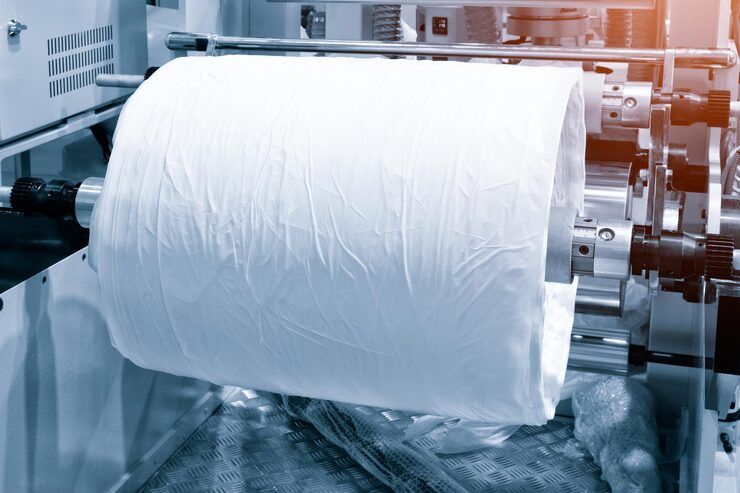
The web is then dried using specialized equipment. In conventional tissue production, a large heated cylinder known as a Yankee dryer plays a central role. A creping blade removes the dried paper from the cylinder, creating small folds that contribute to softness, bulk, flexibility, and absorbency. The paper is subsequently wound into large parent rolls for further processing.
Tissue manufacturing equipment includes several types of machinery. A tissue paper machine produces the base paper, while converting machines transform parent rolls into finished products. Converting operations may include embossing, perforating, folding, rewinding, cutting, packaging, and roll formation.
The equipment required depends on the intended product, production capacity, available factory space, raw materials, and desired level of automation. Small converting operations may purchase parent rolls and produce finished tissue products, whereas larger integrated mills manufacture the base paper and convert it within the same facility.
Importance
Growing Demand for Hygiene Products
Tissue paper has become an important part of personal hygiene and household cleanliness. Toilet paper, facial tissues, napkins, and kitchen towels are used in homes, offices, hotels, restaurants, hospitals, schools, and public facilities.
Population growth, urban development, tourism, and changing hygiene practices influence demand for tissue products. Commercial establishments also require reliable supplies of paper towels and napkins to support daily operations.
Manufacturers use tissue paper making machines to meet different market requirements, from economical everyday products to premium tissues with enhanced softness, absorbency, and strength.
Production Efficiency and Automation
Modern tissue machinery can automate several production stages, including pulp preparation, sheet formation, roll winding, embossing, cutting, and packaging. Automated controls help operators monitor machine speed, moisture levels, tension, and other production parameters.
Automation can reduce manual handling and support consistent product quality. However, actual productivity depends on machine design, maintenance, raw-material quality, operator skills, and the degree of process integration.
Manufacturers should evaluate the entire production line rather than focusing only on the maximum speed of the main machine. Bottlenecks in converting, packaging, or material handling can limit overall output.
Product Quality and Consumer Experience
Tissue paper quality is determined by several characteristics, including softness, absorbency, strength, bulk, brightness, sheet uniformity, and dust generation. Different applications require different combinations of these properties.
For example, facial tissues generally emphasize softness and gentle contact, while kitchen towels require useful wet strength and absorbency. Toilet tissue may prioritize softness, dispersibility, and the number of plies.
Embossing patterns, fiber composition, creping conditions, and sheet formation all influence the finished product. Manufacturers must select machine settings and raw materials according to the intended application.
Resource Management and Manufacturing Performance
Tissue production uses water, electricity, thermal energy, pulp, and packaging materials. Efficient production planning can help reduce material losses, unnecessary downtime, and excessive energy consumption.
Manufacturers may improve resource efficiency through water recovery, heat recovery, optimized drying systems, accurate moisture control, and better management of paper waste.
The overall environmental impact depends on the fiber source, energy mix, production process, water management, transport, and product disposal. Recycled fiber can reduce reliance on virgin pulp in suitable applications, but its quality and processing requirements must be considered.
Recent Updates
Energy-Efficient Tissue Manufacturing
Energy efficiency remains an important development area for tissue producers. Drying is one of the energy-intensive stages of conventional tissue paper manufacturing, making improvements to heat transfer, steam use, and moisture management particularly relevant.
Manufacturers are evaluating more efficient drive systems, improved insulation, heat recovery, and process controls that help maintain the required paper quality while reducing energy consumption.
The performance of these technologies varies by machine configuration, paper grade, operating conditions, and the condition of existing equipment.
Automation and Digital Process Monitoring
Digital controls and industrial monitoring systems are increasingly used to track tissue production. Sensors can monitor variables such as sheet moisture, tension, machine speed, temperature, and equipment vibration.
Production data helps operators identify abnormal conditions, investigate quality variations, and plan maintenance activities. Some facilities also use predictive maintenance techniques to detect potential problems before they cause extended downtime.
Digital monitoring is most effective when machine data is accurate, equipment is properly calibrated, and staff have procedures for responding to alerts.
Recycled Fiber and Alternative Raw Materials
Environmental considerations have encouraged interest in recycled paper fibers and more responsible sourcing of virgin pulp. Recycled fibers can be suitable for selected tissue products, although repeated recycling may shorten fibers and affect softness, strength, and absorbency.
Virgin pulp remains important for products requiring specific quality characteristics. Some manufacturers combine different fiber sources to balance performance and resource use.
The appropriate fiber mix depends on the finished product, applicable hygiene requirements, local raw-material availability, and the capabilities of the production line.
Product Customization and Flexible Converting Lines
Tissue converting equipment is increasingly designed to accommodate different sheet sizes, ply combinations, embossing patterns, roll dimensions, and packaging formats.
Flexible production setups can help manufacturers respond to changing demand across household, hospitality, commercial, and institutional markets.
Before investing in a flexible line, manufacturers should assess changeover time, product consistency, tooling requirements, and the compatibility of packaging equipment with different product formats.
Laws or Policies
Tissue paper manufacturing may be subject to environmental, workplace safety, machinery, packaging, and product-quality requirements. The exact rules depend on the country, production process, factory size, raw materials, and intended use of the finished products.
Environmental Requirements in India
Tissue paper mills in India may need to comply with applicable environmental permissions and pollution-control requirements. Depending on the facility and its processes, these may cover wastewater treatment, air emissions, solid waste, energy use, and the handling of process chemicals.
Relevant authorities may include the Central Pollution Control Board and the appropriate State Pollution Control Board. Manufacturers should verify which permissions and operating conditions apply to their specific facility.
Water recycling, wastewater treatment, and appropriate disposal procedures are important considerations for plants that use substantial quantities of water during pulp preparation and paper formation.
Factory and Machinery Safety
Tissue manufacturing lines contain moving rollers, cutting blades, heated surfaces, electrical equipment, and high-speed winding mechanisms. Suitable machine guards, emergency stops, maintenance isolation procedures, and employee training are essential for reducing workplace risks.
In India, factories should review the applicable occupational safety and factory framework, along with relevant state rules and electrical safety requirements. Machine installation and maintenance should follow the equipment manufacturer's technical instructions and applicable standards.
Product Safety and Packaging
Finished tissue products should be suitable for their intended use. Products intended for facial contact, food-related applications, or healthcare environments may require particular attention to fiber quality, contamination control, chemical residues, and hygiene.
Packaging and environmental labeling obligations may also apply, depending on the product and the materials used. Businesses placing packaged products on the Indian market should check the latest requirements from the relevant regulatory authorities.
There is no single universal rule covering every type of tissue product. Manufacturers should identify the applicable requirements before launching new products or changing raw materials.
Tools and Resources
Tissue Machine Selection Tools
When comparing tissue paper making machines, manufacturers should examine production capacity, paper width, operating speed, target grammage, drying technology, automation, and compatibility with intended fiber sources.
Other important considerations include factory space, power supply, steam or thermal requirements, water consumption, maintenance access, spare-part availability, and the technical support available for the equipment.
The distinction between a complete tissue paper machine and a converting line is especially important. A converting line processes existing parent rolls, while a complete paper machine manufactures the tissue base paper from pulp.
Pulp and Paper Testing Equipment
Quality testing helps confirm whether tissue paper meets the specifications required for its intended application. Common instruments and procedures include:
- Grammage testing to measure paper mass per unit area.
- Thickness and bulk measurement.
- Absorbency testing to evaluate liquid uptake.
- Tensile testing to assess sheet strength.
- Moisture measurement for process control.
- Softness and surface-property evaluation.
- Dust and lint assessment where appropriate.
Test methods should be selected according to the product type and relevant industry standards.
Production Monitoring Systems
Manufacturing execution systems and industrial monitoring platforms can help track output, downtime, material usage, quality results, and maintenance activities.
Integrating these records allows production teams to compare performance across shifts and identify recurring problems. Useful indicators include machine availability, production yield, rejected material, energy consumption per tonne, and water use per tonne.
Practical Investment Checklist
Before selecting a tissue paper production system, manufacturers should:
- Define the products and sheet specifications they intend to produce.
- Estimate expected demand and required daily output.
- Decide whether to manufacture base tissue paper or only convert parent rolls.
- Compare machinery configurations, energy requirements, and factory infrastructure.
- Evaluate fiber quality, pulp availability, and water management.
- Review automation, operator training, and maintenance requirements.
- Confirm applicable environmental and workplace obligations.
- Conduct production trials and assess finished-product quality.
A detailed technical assessment helps prevent mismatches between machine capability and the intended product range.
FAQs
What is a tissue paper making machine?
A tissue paper making machine converts prepared pulp into lightweight paper through sheet formation, dewatering, drying, creping, and winding. Separate converting machines transform parent rolls into finished tissue products.
What products can these machines produce?
Depending on the equipment configuration, tissue manufacturing and converting lines can produce facial tissues, toilet paper, paper napkins, kitchen towels, hand towels, and selected industrial wiping products.
What is the difference between a tissue paper machine and a converting machine?
A tissue paper machine manufactures the base paper from pulp. A converting machine takes already manufactured parent rolls and transforms them into finished products through processes such as folding, embossing, perforating, rewinding, cutting, and packaging.
Which raw materials are used in tissue production?
Common materials include virgin wood pulp, recycled paper fibers, water, and selected process additives. The appropriate combination depends on the intended product, quality requirements, and production process.
What factors affect tissue paper quality?
Important factors include fiber composition, pulp preparation, sheet formation, grammage, moisture, drying conditions, creping, embossing, and converting accuracy.
Can recycled paper be used to produce tissue?
Yes. Recycled fibers can be used in suitable tissue products, although their length, cleanliness, softness, and strength may differ from virgin fibers. Manufacturers should test the resulting paper against the specifications for the intended application.
How can manufacturers improve production efficiency?
Efficiency can be improved through preventive maintenance, accurate process control, operator training, reduced material waste, effective moisture management, energy recovery, and monitoring of production data.
Conclusion
Tissue paper making machines support the production of essential hygiene and household paper products used in homes, commercial facilities, and institutional environments. Advances in automation, energy management, process monitoring, and flexible converting technology continue to influence the industry.
Successful tissue manufacturing requires more than selecting a high-speed machine. Manufacturers must consider the intended product, raw-material quality, production capacity, energy and water requirements, maintenance needs, and applicable regulations.
By evaluating the complete production process and monitoring quality throughout manufacturing, tissue producers can improve operational consistency, use resources more effectively, and respond to changing market requirements.