Uganda is a landlocked country in East Africa with numerous lakes, rivers, wetlands, and waterways.
Its lakes support local livelihoods, provide freshwater resources, and create habitats for fish, birds, mammals, and aquatic plants.
Lake escapes in Uganda can include lakeside walks, birdwatching, boat excursions, cultural visits, fishing experiences, and relaxation in natural surroundings. Some destinations have developed tourism infrastructure, while others remain closely connected to rural communities and traditional livelihoods.
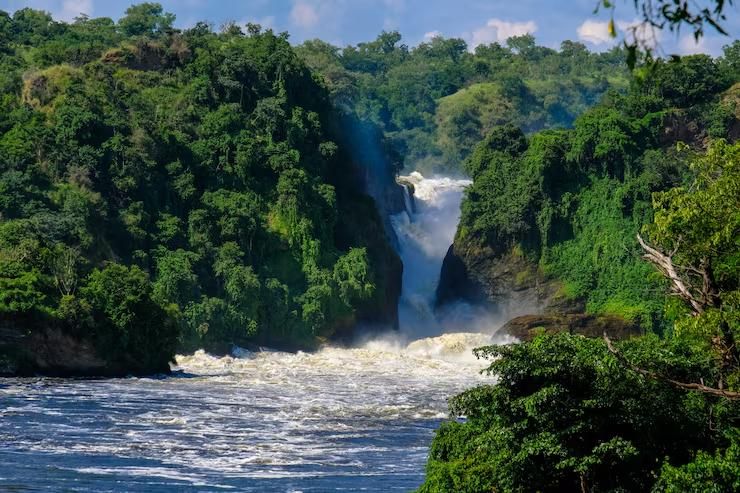
Several lakes are especially notable:
- Lake Victoria: One of the world's largest tropical lakes, shared by Uganda, Kenya, and Tanzania.
- Lake Bunyonyi: A scenic highland lake in southwestern Uganda, known for its green hills and numerous small islands.
- Lake Mburo: Located near Lake Mburo National Park, with nearby savanna habitats and wildlife.
- Lake Albert: A large lake along Uganda's western border region, associated with fishing communities and surrounding wildlife landscapes.
- Lake Edward: Situated within the western Albertine Rift region and connected to protected ecosystems.
- Lake Kyoga: A shallow lake system in central Uganda that supports fishing, wetlands, and local communities.
The experience varies according to location, season, accessibility, accommodation availability, and the activities permitted in each area.
Importance: Why Uganda's Lakes Matter
Uganda's lakes are important not only for recreation but also for biodiversity, livelihoods, climate, and regional development.
Natural beauty and outdoor recreation
The lakes offer a variety of landscapes, including open water, wooded shorelines, islands, wetlands, and elevated viewpoints. Visitors can enjoy photography, walking, birdwatching, and guided water activities where conditions permit.
Wildlife and biodiversity
Lakes and surrounding wetlands support fish, waterbirds, amphibians, and other wildlife. Some areas connect directly with national parks and protected landscapes, creating opportunities to observe animals in their natural environments.
Local livelihoods
Fishing, transportation, agriculture, and small-scale tourism contribute to the economies of many lakeside communities. Visitors may also learn about local food traditions, boatbuilding, fishing practices, and community history.
Cultural heritage
Lakes have shaped settlement patterns, traditional stories, trade, and daily life in Uganda. Community visits can help travelers understand the cultural significance of particular shorelines and islands.
Environmental awareness
Lake destinations illustrate the importance of freshwater conservation. Pollution, invasive species, habitat changes, overfishing, and pressure from development can affect water quality and biodiversity.
Popular Lakes for a Peaceful Escape in Uganda
Uganda's lakes differ in geography, scenery, and available activities. Choosing a destination depends on whether a traveler prefers islands, wildlife, cultural experiences, or a quieter natural setting.
| Lake | Location | Main features | Possible experiences |
|---|---|---|---|
| Lake Bunyonyi | Southwestern Uganda | Hills, islands, cool highland surroundings | Canoeing with a guide, birdwatching, scenic walks |
| Lake Victoria | Southern and central Uganda | Extensive freshwater shoreline and islands | Boat trips, fishing culture, waterfront relaxation |
| Lake Mburo | Western Uganda | Lake and savanna landscapes | Wildlife viewing in the surrounding national park |
| Lake Albert | Western Uganda | Large lake near the Albertine Rift | Local fishing culture, birdwatching in suitable areas |
| Lake Edward | Western Uganda | Protected landscapes and wildlife habitats | Nature exploration through authorized routes |
| Lake Kyoga | Central Uganda | Shallow water, wetlands, and fishing settlements | Birdwatching and observation of wetland environments |
Activities depend on local regulations, seasonal conditions, available guides, and the specific location along each lake.
Lake Bunyonyi: Hills, Islands, and Highland Scenery
Lake Bunyonyi is one of Uganda's well-known scenic lake destinations. Located in the southwestern highlands, it is surrounded by steep green hills and dotted with numerous islands. The elevation gives the area a cooler climate than many lower-lying parts of the country.
The landscape makes the lake suitable for travelers interested in peaceful views and outdoor exploration. Canoeing, guided boat trips, walking along selected trails, and birdwatching are possible where local operators and conditions allow.
The islands and surrounding communities also have cultural and historical significance. Visitors should use knowledgeable local guides when exploring unfamiliar areas and approach local customs respectfully.
Lake Bunyonyi is often associated with calm scenery, but weather conditions can change. Travelers should use appropriate flotation equipment for water activities and confirm that boats and guides follow local safety practices.
Lake Victoria: Vast Waters and Island Experiences
Lake Victoria is a major freshwater resource shared by Uganda, Kenya, and Tanzania. Its Ugandan shoreline includes urban waterfronts, fishing settlements, wetlands, and access points for island excursions.
The lake's scale makes it very different from smaller highland lakes. Its waters support commercial and subsistence fishing, transport, and a variety of ecosystems. Visitors can explore accessible waterfront areas, observe fishing activities, or join organized boat excursions where available.
The Ssese Islands, an archipelago in Lake Victoria, are known for forested landscapes, beaches, and opportunities for nature-based recreation. Access generally involves boat or ferry connections, and journey times depend on the departure point and transport arrangements.
Because Lake Victoria can experience strong winds, changing waves, and sudden weather shifts, travelers should choose licensed or reputable boat operators and follow local guidance.
Lake Mburo: A Combination of Water and Wildlife
Lake Mburo lies within a landscape that includes savanna, woodland, wetlands, and protected wildlife habitat. The nearby Lake Mburo National Park is known for wildlife viewing and activities arranged under park rules.
Depending on the location and available arrangements, visitors may combine a lake visit with guided wildlife drives, nature walks, or birdwatching. The surrounding environment supports species such as zebras, impalas, buffaloes, and a variety of birds.
Wildlife sightings vary, and visitors should not approach wild animals or leave designated areas without authorization. Guided activities help reduce disturbance to wildlife and improve awareness of local conservation practices.
Lake Mburo can suit travelers who want to combine freshwater scenery with a broader nature experience rather than spending their entire visit beside the water.
Lake Albert and Lake Edward: Western Uganda's Natural Landscapes
Lake Albert and Lake Edward are part of Uganda's western lake region, where freshwater systems meet the landscapes of the Albertine Rift.
Lake Albert borders the Democratic Republic of the Congo and is associated with fishing communities, birdlife, and nearby conservation areas. Its shoreline provides insight into the role of freshwater resources in regional livelihoods.
Lake Edward lies within a landscape that includes Queen Elizabeth National Park and protected ecosystems on both sides of the international border. The wider region supports elephants, hippos, birds, and other wildlife, although sightings depend on the location and season.
Travelers should distinguish between lake viewpoints, public access areas, and protected zones. Some locations require permits, organized transport, or guidance from authorized personnel.
Recent Updates and Trends in Uganda's Lake Tourism
Lake destinations are influenced by conservation initiatives, infrastructure development, weather patterns, and changes in travel demand. Current conditions can vary, so visitors should check recent official guidance before traveling.
Nature-based travel
Interest in birdwatching, guided walks, community visits, and lower-impact outdoor activities has encouraged attention toward destinations beyond major urban centers. Uganda's lakes provide opportunities to combine scenic exploration with learning about local environments.
Community participation
Community-led tourism can help connect visitors with local history, crafts, food traditions, and conservation activities. The benefits depend on how projects are managed and how revenue and responsibilities are distributed.
Freshwater conservation
Pollution, shoreline development, invasive species, and pressure on fisheries remain important concerns across parts of the Great Lakes region. Conservation groups and public agencies work on water quality, habitat protection, fisheries management, and environmental awareness.
Weather and transport conditions
Rainfall, water levels, road conditions, and boat schedules may influence access to lake destinations. Travelers should verify current transport arrangements rather than relying solely on older itineraries.
For timely updates, consult the Uganda Tourism Board, Uganda Wildlife Authority, local transport operators, and official weather information.
Laws and Policies Related to Lake Visits in Uganda
Lake travel involves national environmental rules, protected-area regulations, transport requirements, and local community guidelines.
Environmental Management
Uganda's environmental framework includes the National Environment Act, 2019, which provides a legal basis for environmental protection and management. Activities affecting wetlands, shorelines, and sensitive habitats may be subject to specific controls.
Wildlife protection
The Uganda Wildlife Authority manages national parks and other protected areas under applicable wildlife legislation and regulations. Visitors entering protected areas should follow park rules, permit requirements, and instructions from authorized guides.
Fishing and water activities
Fishing activities are subject to applicable fisheries rules and local restrictions. Boat operators and travelers should follow relevant safety requirements and instructions from local authorities.
Community and cultural respect
Visitors should ask permission before photographing individuals, respect community customs, and avoid disturbing religious, cultural, or historically significant sites.
Legal requirements can vary by location and activity. Consult current official guidance before undertaking activities involving protected areas, fishing, or organized water transport.
Tools and Resources for Planning a Lake Escape
Planning ahead can make travel between Uganda's lakes easier and help visitors prepare for changing conditions.
| Resource | Purpose | How it helps |
|---|---|---|
| Uganda Tourism Board | Destination and travel information | Explore regions and visitor activities |
| Uganda Wildlife Authority | National park and conservation information | Review park rules, permits, and wildlife guidance |
| Uganda National Meteorological Authority | Weather information | Check rainfall and relevant weather advisories |
| Google Maps | Route planning | Estimate road routes and identify nearby settlements |
| Local transport operators | Boat, ferry, and road connections | Confirm schedules, departure points, and access conditions |
| Travel health professionals | Destination-specific health guidance | Discuss vaccinations, malaria prevention, and other precautions |
Travelers should confirm operating schedules directly, particularly for island transport and remote destinations. Mobile connectivity may be limited in some rural areas, so offline maps and saved contact details can be useful.
Practical Tips for Visiting Uganda's Lakes
A well-planned visit considers safety, seasonal conditions, local customs, and environmental responsibility.
- Choose the right season: Dry periods can make some roads and outdoor activities easier, while rainy periods may produce greener scenery but more difficult travel conditions.
- Use appropriate water safety equipment: Wear a correctly fitted life jacket on boats and follow the operator's instructions.
- Pack for changing weather: Bring sun protection, light rainwear, suitable footwear, and insect protection.
- Respect wildlife: Keep a safe distance from animals and follow guidance in protected areas.
- Support local communities responsibly: Use locally knowledgeable guides where appropriate and respect agreed cultural boundaries.
- Protect the environment: Avoid littering, do not disturb wildlife, and reduce unnecessary plastic waste.
- Check health guidance: Seek current advice on malaria prevention, recommended vaccinations, drinking water, and other destination-specific risks.
- Plan transport carefully: Distances can be long, and road or boat conditions may affect travel times.
Travelers should also keep personal documents secure and review current travel advisories before visiting remote border regions.
Frequently Asked Questions
What are the most scenic lakes in Uganda?
Lake Bunyonyi is known for its green hills and islands, while Lake Victoria offers extensive waters and island experiences. Lake Mburo is notable for its combination of freshwater scenery and nearby wildlife habitats.
Can visitors take boat trips on Uganda's lakes?
Boat trips are available in some areas, depending on local operators, weather, and access conditions. Travelers should confirm arrangements in advance, use suitable flotation equipment, and avoid trips during unsafe weather.
When is a suitable time to visit Uganda's lakes?
The drier periods, often around June to August and December to February, can make some travel routes and outdoor activities easier. Weather patterns vary by region and year, so current forecasts are important.
Are Uganda's lakes suitable for birdwatching?
Yes. Many lakes and wetlands support resident and migratory birds. Lake Bunyonyi, Lake Victoria's wetlands, and protected areas near western Uganda's lakes can provide birdwatching opportunities.
What should visitors pack for a lake escape in Uganda?
Useful items include lightweight clothing, rain protection, sun protection, insect repellent, suitable walking shoes, personal medication, and a waterproof bag for electronics. A life jacket should be provided for boat activities.
Conclusion
Uganda lake escapes combine freshwater scenery, island landscapes, wildlife habitats, and cultural experiences. Lake Bunyonyi offers highland views and islands, Lake Victoria provides access to extensive waters and the Ssese Islands, and Lake Mburo combines lake landscapes with nearby wildlife. By checking weather conditions, following water safety guidance, respecting local communities, and protecting natural habitats, visitors can explore Uganda's lakes responsibly and gain a deeper appreciation of the country's diverse environment.